
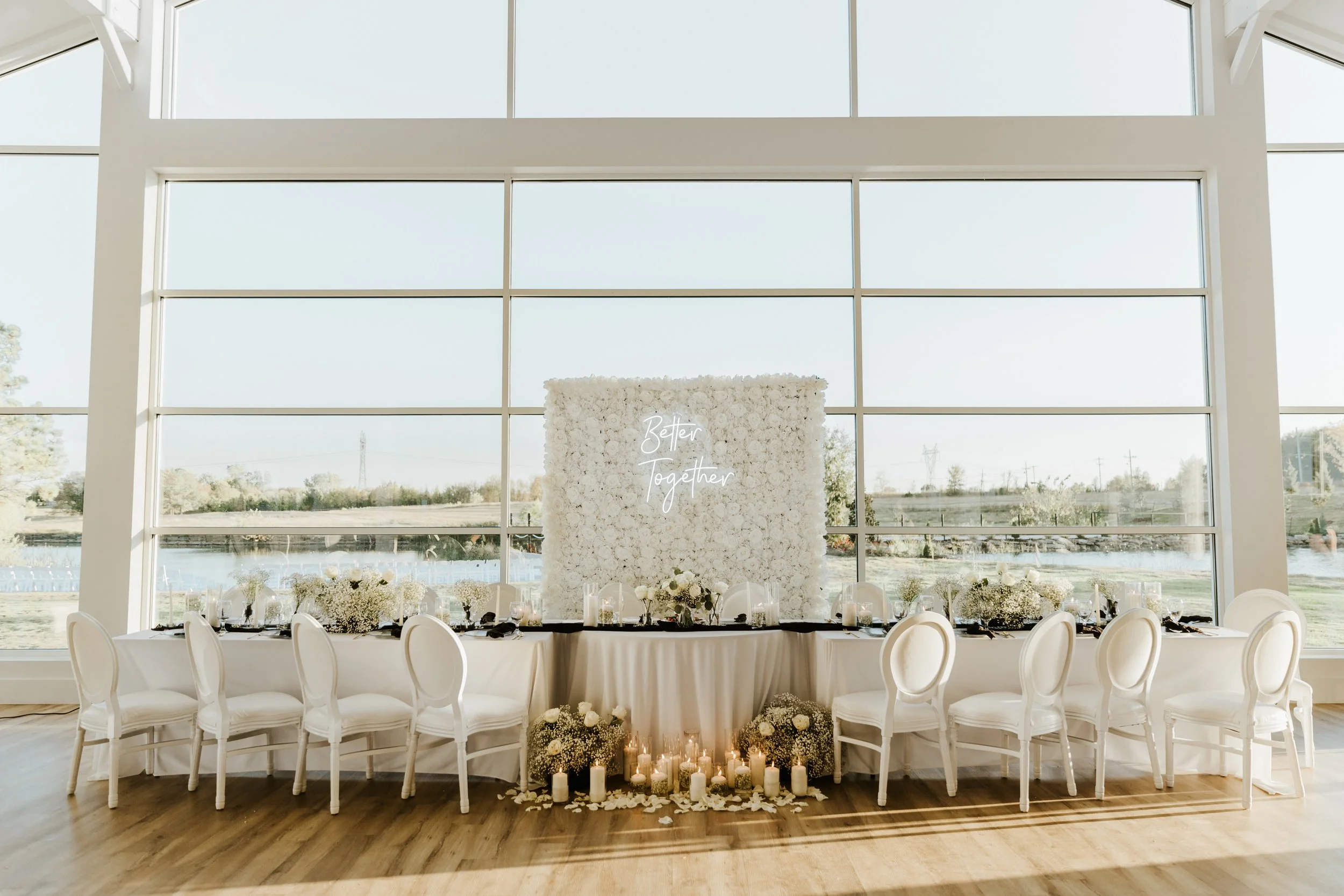
Oklahoma gives couples a little of everything: wide open landscapes, four real seasons, friendly small towns, and a growing list of modern wedding venue choices that hold their own against any bigger market. If you are just starting to plan a wedding here, this guide walks you through the practical pieces, from the marriage license to the best time of year to say “I do,” along with what to look for when you choose a place to celebrate.
How to Get Married in Oklahoma?
Whether you're newly engaged or already counting down the days, getting married in Oklahoma starts with a few key essentials. If you're wondering how to get married in Oklahoma without getting lost in the details, the process really comes down to three parts: apply for your license, hold the ceremony with a qualified officiant and witnesses, and make sure the signed license gets returned to the county clerk afterward. The sections below walk through each step, along with the season, budget, and venue decisions that shape the rest of your planning.
Is Oklahoma a Good Place to Get Married?
The short answer is yes. Couples are drawn to Oklahoma for its mix of natural beauty and value. According to 2025 data from wedding registry platform Zola, the average Oklahoma wedding costs about $19,590, well below the roughly $36,000 national average, and local Oklahoma City-area planners report fuller-service weddings landing closer to 32,000–39,000 for about 125 guests. Either way, a dollar tends to stretch further here than it does in coastal markets.
Applying for Your Oklahoma Marriage License
Before the ceremony, you will need a marriage license, and Oklahoma keeps the process refreshingly simple.
What You Need to Apply
Both partners apply in person at any county court clerk’s office in the state. There are no residency requirements, so you can apply in any county as long as the wedding itself takes place somewhere in Oklahoma. Bring a valid photo ID for each person, such as a driver’s license, state ID, military ID, or passport. Many county offices accept cash only, so it is worth a quick call ahead to confirm.
One important update for couples planning a wedding after November 1, 2026: Oklahoma's Senate Bill 504 ends all marriage under age 18, closing the old exception that let 16- and 17-year-olds marry with parental consent and a 72-hour wait. From that date forward, both applicants must be 18 or older, with no exceptions, to receive a license.
Timing and Waiting Periods
For couples 18 and older, there is no waiting period, and most clerk offices issue the license the same day you apply. An Oklahoma marriage license is valid for 30 days from the date it is issued, and the ceremony has to take place within that window, so most couples now apply roughly two to four weeks ahead of their date rather than months in advance, giving them a bit more flexibility than the old window once allowed.
Applicants who are 16 or 17 face a 72-hour waiting period, and anyone divorced within the past six months must wait out that period before remarrying someone new.
Fees and the Counseling Discount
The standard license fee is $50. Here is a tip many couples miss: if you complete at least four hours of state-approved premarital counseling and bring the original completion certificate, the fee drops to just $5. You will also need two witnesses and an authorized officiant, such as an ordained minister or a judge, to sign the license after the ceremony.
The signed license then has to be returned to the issuing county clerk within 30 days for the marriage to be officially recorded.
The Best Time of Year to Get Married in Oklahoma
Spring and fall are the most popular wedding seasons in Oklahoma, and for good reason. Each season offers something different, so the right pick depends on the look you want and how you feel about the weather.
Spring, March to May
Spring brings green landscapes, blooming flowers, and comfortable temperatures that photograph beautifully. It is one of the busiest booking windows, so reserve early. Keep in mind that spring is also Oklahoma’s storm season, which makes a venue with a strong indoor backup plan especially valuable.
Summer, June to August
Summer weddings give you long daylight hours and lush surroundings, but Oklahoma heat and humidity are real. If you love the idea of an outdoor ceremony in summer, plan for an evening start time and make sure shade, hydration, and an air-conditioned indoor space are part of the plan.
Fall, September to November
Fall is a favorite for a reason. Cooler air, golden light, and changing foliage create a naturally romantic backdrop, and the mild temperatures are kind to both guests and outdoor portraits. Like spring, fall dates go quickly, so book ahead.
Winter, December to February
Winter is the quietest season, which often means more date availability and a calmer planning timeline. An indoor celebration with big windows lets you enjoy the season’s clean, crisp scenery while staying warm, and couples who stay flexible on the date can sometimes find better value this time of year.
How Much Does a Wedding in Oklahoma Cost?
As a benchmark, the most recent available data (Zola, 2025) puts the average Oklahoma wedding at around $19,590, while local Oklahoma City-area planners report fuller-service weddings landing closer to 32,000–39,000 for about 125 guests. Your own number will rise or fall with guest count, season, and the day of the week.
The venue is usually the single largest line item, and it often shapes what else you need to rent or hire. That is why many couples start their planning with the venue search: lock in the place and date first, then build catering, florals, and everything else around it. Venues that include setup, tables, chairs, and other rentals can simplify your budget and cut down on the number of separate vendors you have to manage.
Choosing the Right Oklahoma Wedding Venue
Once your season and rough budget are set, the venue search begins. From rustic barns to modern event spaces, Oklahoma wedding venues range widely in style, size, and price, so a few factors matter more than the rest when you start comparing them.
Indoor and Outdoor Flexibility
Oklahoma weather can change in a hurry, so the most reliable venues give you both indoor and outdoor options. That flexibility lets you plan an outdoor ceremony with confidence, knowing a beautiful indoor space is ready if the forecast turns. As an example, Vinterra in Bixby, just south of Tulsa, offers several outdoor ceremony settings across its grounds, from the popular waterfront Dock to open lawn and garden spaces, alongside the indoor Grand Hall and Clubhouse. Couples can move seamlessly between spaces no matter the weather.
Capacity and Guest Count
Match the venue to your guest list, with a little room to spare. Some spaces are built for intimate gatherings, while others handle large celebrations with ease.
Vinterra’s Grand Hall, for instance, seats up to 250 to 300 guests depending on the floor plan, while the smaller Clubhouse is a natural fit for showers, rehearsal dinners, and parties of up to 75 to 100 guests depending on layout. Having both on one property means your full wedding weekend can stay in a single place.
What Is Included, and What to Arrange Separately
Knowing exactly what a venue provides helps you budget accurately and avoid surprises. At Vinterra, the rental covers the essentials: setup and breakdown of tables and chairs to your approved floor plan, a mobile bar, gas fire pits, interchangeable chandeliers, and getting-ready suites for the couple. One detail worth clarifying, because it trips up a lot of couples, is the difference between a venue host and a day-of coordinator.
Vinterra provides an on-site venue host who oversees the space and is available if something comes up. Once the tables and chairs are set to your approved floor plan, though, the host is not running your timeline, directing vendors, or managing the flow of the day. For that, plan to hire your own coordinator, or at least a day-of coordinator, to keep everything on track.
For food and drink, you will bring in catering from the preferred caterer list or an approved outside caterer, and arrange a licensed, insured bartender to serve alcohol.
When comparing Oklahoma wedding venues, it helps to line up capacity, included services, and indoor backup options side by side before booking tours, rather than judging each venue on photos alone.
A Simple Oklahoma Wedding Planning Timeline
Every wedding is different, but this rough timeline keeps most couples on track:
12 months or more out: Set your budget, draft a guest list, and book your venue and date.
9 to 12 months out: Reserve your key vendors, including catering, photography, and music.
6 to 9 months out: Order attire, send save the dates, and start planning the ceremony details.
3 to 6 months out: Finalize the menu, book hair and makeup, and mail your invitations.
1 to 2 months out: Confirm headcounts, apply for your marriage license within the 30-day window, and complete final walkthroughs.
How to Get Married in Oklahoma: Quick FAQ
-
Thirty days from the date it is issued. The ceremony needs to happen within that window, and the signed license then has to be returned to the county clerk within 30 days of issuance for the marriage to be officially recorded.
-
Ordained ministers, judges, and certain other officials authorized under Oklahoma law can perform the ceremony. Oklahoma does not have a justice of the peace, so most couples work with a minister, a licensed officiant, or occasionally a judge.
-
Start with guest capacity, then check what is actually included in the rental (tables, chairs, bar service, a venue host) versus what you will need to source separately, such as catering and a day-of coordinator. Indoor/outdoor flexibility matters most for spring and summer dates, when weather is least predictable.
-
No. Vinterra's on-site venue host manages the space and the approved floor plan, but does not run your ceremony timeline or direct vendors. Most couples hire a separate day-of coordinator to handle that piece.
Start Planning Your Oklahoma Wedding
Getting married in Oklahoma can be a smooth, joyful process when you handle the essentials early: secure your license on time, choose a season that fits your vision, and book a venue that gives you room to celebrate your way.
If you are looking for a modern, flexible space in the Tulsa area, Vinterra is currently accepting inquiries for upcoming wedding dates